



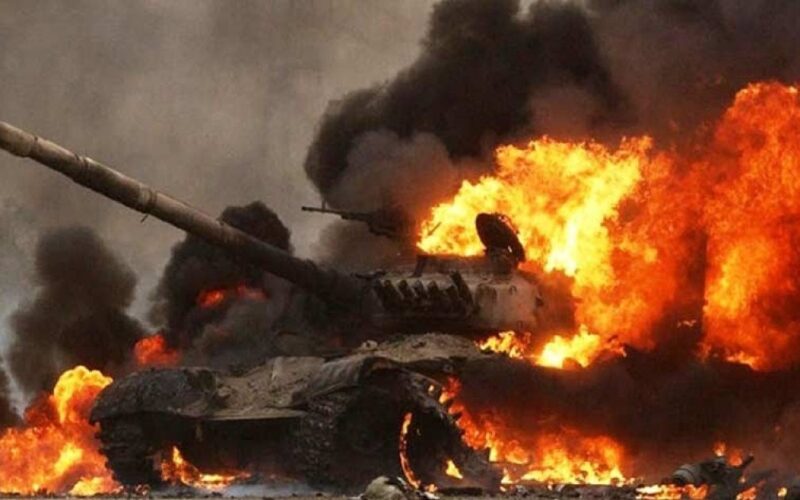
More than 1.50 million Army men have died in three years of Russian – Ukraine war
Russia is fighting with Ukraine for the last three years to capture 5 border state of Ukraine which they claim that these belongs to Russia. Russia has currently occupied 116,000 km2 ie 19% of Ukraine border land and fighting for another 20,000 km2 land inside Ukraine.
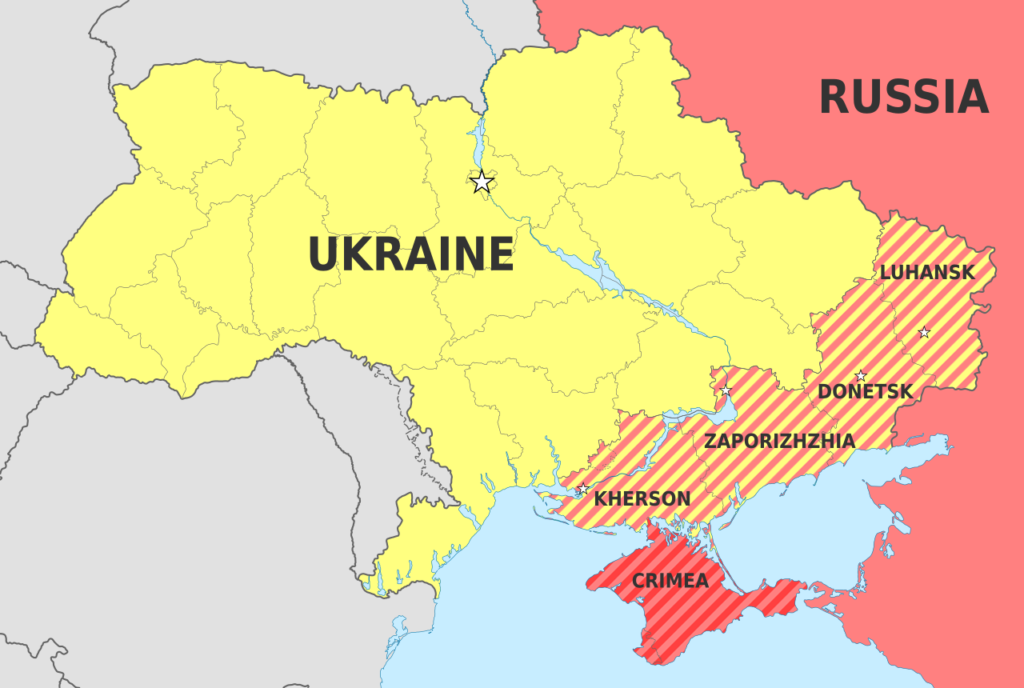
Ukraine area was part of USSR and then Soviet union in 1922 and was known as Ukrainian SSR. Ukraine country got independence when Russia was formed after split of USSR in to 15 countries in December 1991. Before partition Ukraine was known as heartland of Agriculture , High tech and defense production. Prior to Partition Ukraine have 3rd largest nuclear arsenal but he handed over to Russia in 1996 as per Budapest treaty . 23% of Ukrainian speaks Russian at partition time .
| Description | Russia | Ukraine | |
| Area | 1,710,000 Km2 | 603,000 km2 | |
| Population | 146,000,000 | 40,000,000 | |
| Capital | Moscow | Kyiv | |
| GDP | 2.54 Trillion $ | 197 Billion $ |
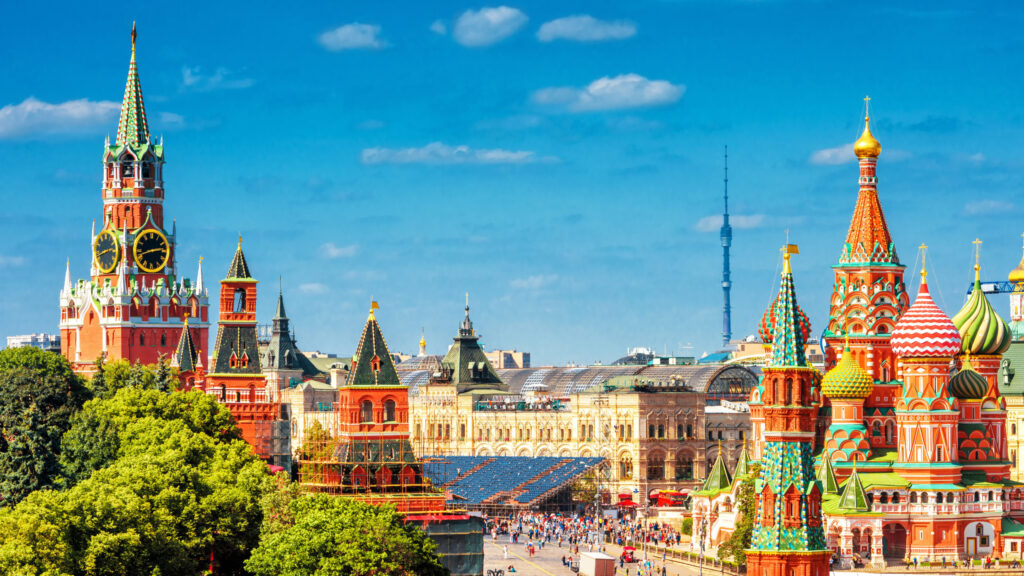
History of Russia –
Russia is a part of old huge USSR. The USSR grew out of the Russian Revolution of 1917, when the old Russian Empire collapsed. The revolution was led by Vladimir Lenin, whose Bolshevik movement overthrew the provisional government. After several years of civil war, a new socialist state was created. In 1922 the Soviet Union was officially formed, with its capital in Moscow.
Superpower and the Cold War (1945–1980s)
After World War II, the USSR emerged as one of the world’s two superpowers.
It entered a long period of rivalry with the United States, commonly called the Cold War which was a result of military competition, space and technology races and ideological struggle between communism and capitalism . The USSR controlled or strongly influenced much of Eastern Europe during this period.
Reform and decline (1985–1991)
In the mid-1980s, a new leader Mikhail Gorbachev came to power.
He introduced major reforms like perestroika (economic restructuring) , glasnost (openness and freedom of information) but Instead of strengthening the system, these reforms created –
- exposed deep economic problems
- weakened central control
- encouraged independence movements in Soviet republics
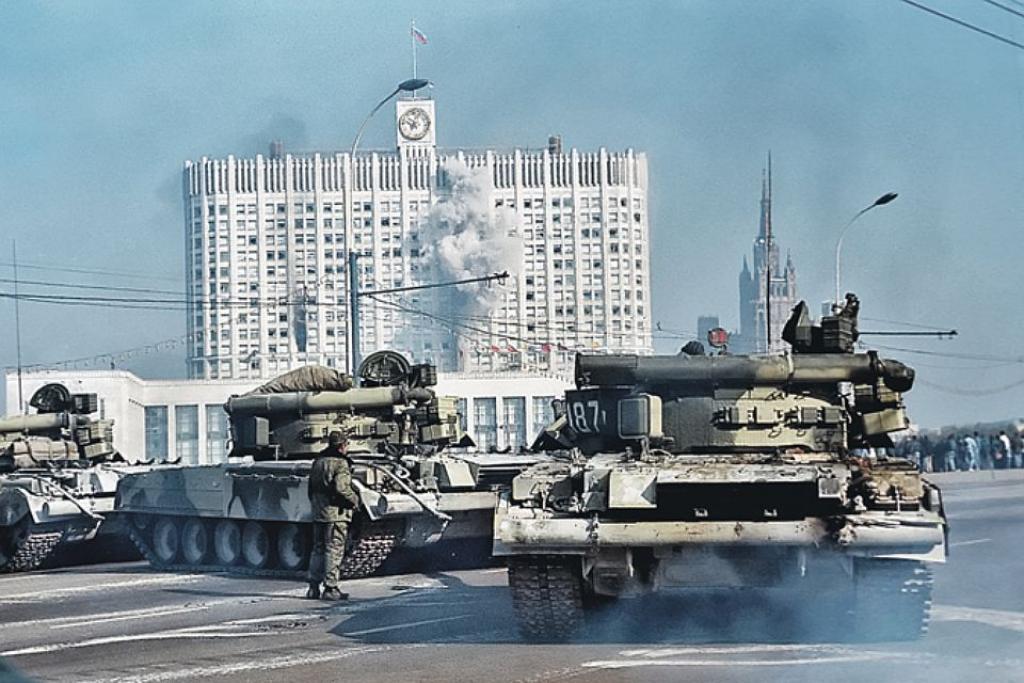
Collapse of the USSR (1991)
In December 1991, the Soviet Union officially dissolved ( A big Political win to USA )
A key figure in the final stage was Boris Yeltsin, who became the first president of post-Soviet Russia.
The USSR broke apart into 15 independent countries, including Russia, Ukraine, and other 14 Baltic states.
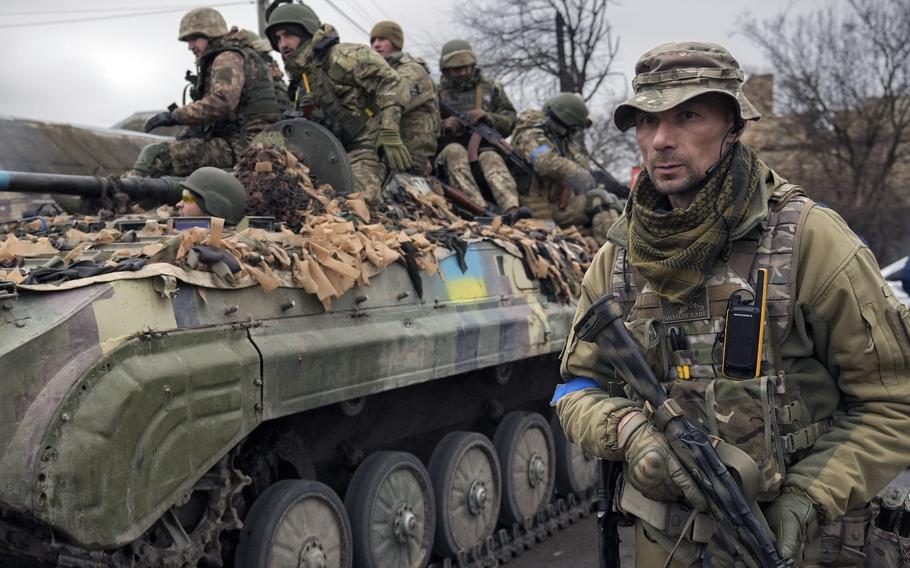
Why the Soviet Union broke into 15 countries in 1991
The USSR split mainly because the central government lost control and the other republics wanted independence.
The main reasons were:
1. Economic failure
By the 1980s, the Soviet economy was in serious trouble:
- shortages of food and basic goods
- low productivity
- outdated industries
- People and local governments no longer believed the system could work.
2. Political reforms weakened central power
The last Soviet leader, Mikhail Gorbachev, introduced reforms called:
- perestroika (restructuring)
- glasnost (openness)
These reforms:
- reduced censorship
- allowed criticism of the government
- reduced fear of the state
As a result, Moscow could no longer tightly control the republics.
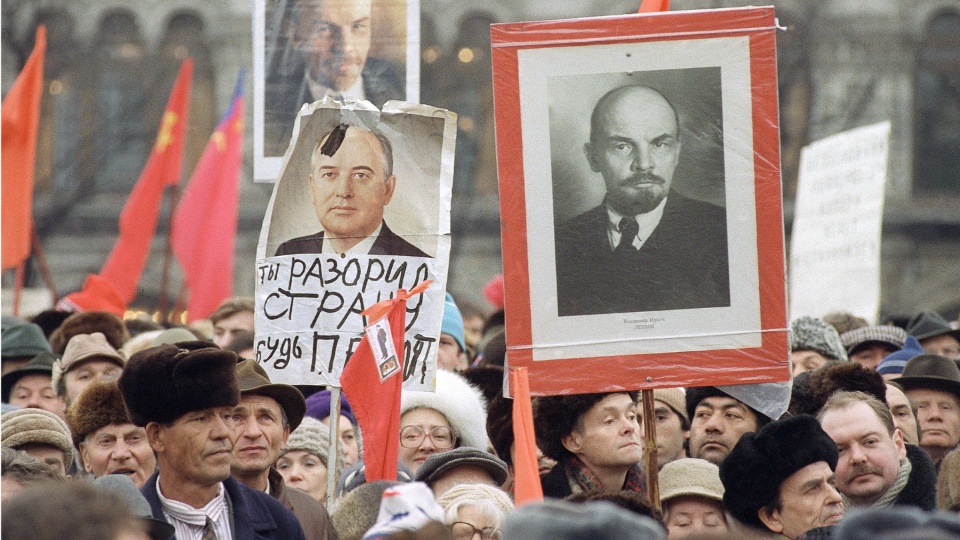
3. Nationalism in the republics
The USSR was made of 15 separate republics (like Ukraine, Georgia, Estonia, etc.).
Many people inside those republics:
- felt they were not truly independent
- wanted their own language, culture, and government protected .
- So strong independence movements grew, especially in the Baltic and Caucasus regions.
4. The ruling party lost authority
The country had been ruled by one party – Communist Party of the Soviet Union
By the late 1980s:
- people no longer trusted the party
- the party lost its monopoly on power
This removed the political glue holding the USSR together.
5. Russia itself stopped supporting the Union
A crucial moment came when the leader of Russia, Boris Yeltsin, openly opposed the Soviet central government.
When Russia (the largest and most powerful republic) decided it no longer wanted the Union, the USSR could not survive. So the USSR split into 15 countries because of : Economic failure + political reforms + rising nationalism + collapse of the Communist Party’s control + Russia leaving the Union .
But these splits did not go well with many leaders of Russia and Russian speaking population and hence were continuously disputed , Ukraine dispute is also one of that.
| Description | Russia | Ukraine | |
| Army strength | 1,300,000 | 900,000 | |
| Fighter Jet | 800 | 70 | |
| Attack Helicopter | 500 | 40 | |
| Sub Marines | 60 | 0 | |
| Battle Tank | 4,500 | 1,100 | |
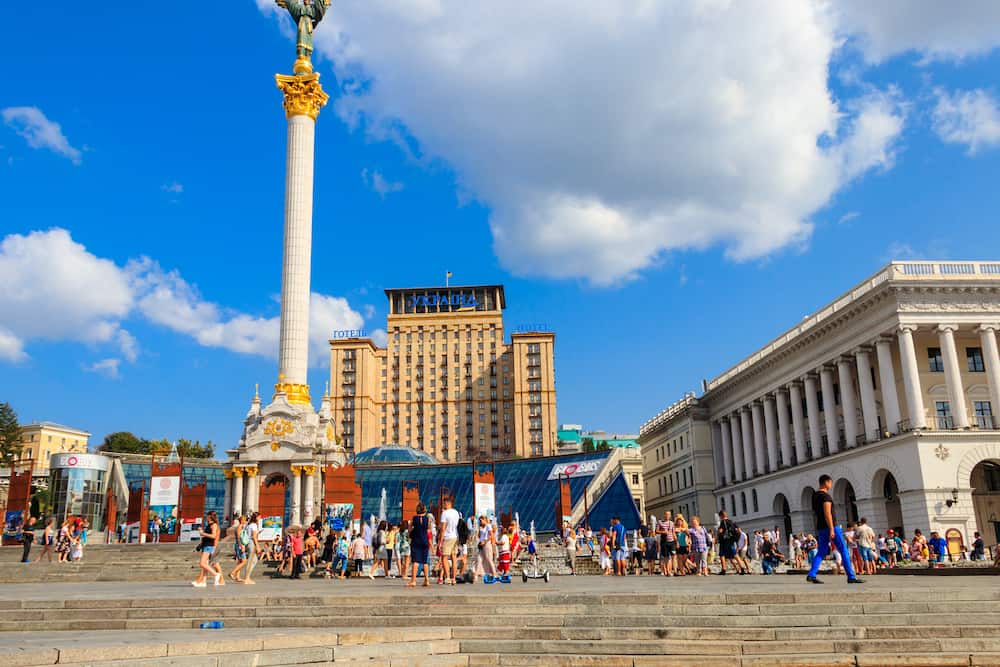
History of Ukraine & dispute with Russia –
Ukraine become independent from USSR in Aug 1991. Ukraine war started because of a long-running political and security conflict between Ukraine and Russia, which escalated into a full-scale invasion ordered by Vladimir Putin in February 2022.
1. Ukraine’s political direction changed (2014)
In 2014, Ukraine moved away from close political control by Russia and started seeking closer ties with Europe and the West. Russia saw this as a major loss of influence in a country it considers strategically vital for Russian safe borders.
2. Russia took Crimea and backed separatists (2014)
Russia seized Crimea in 2014. At the same time, fighting began in eastern Ukraine, especially in Donetsk and Luhansk, where Russia supported armed groups against the Ukrainian government . This created a low-intensity war that never fully stopped.
3. Russia opposed Ukraine joining the West
Ukraine openly aimed to move closer to Western institutions, especially NATO. Russia strongly opposed this and said it viewed possible NATO membership for Ukraine as a direct threat to its security and international borders.
Start of Russian – Ukraine War
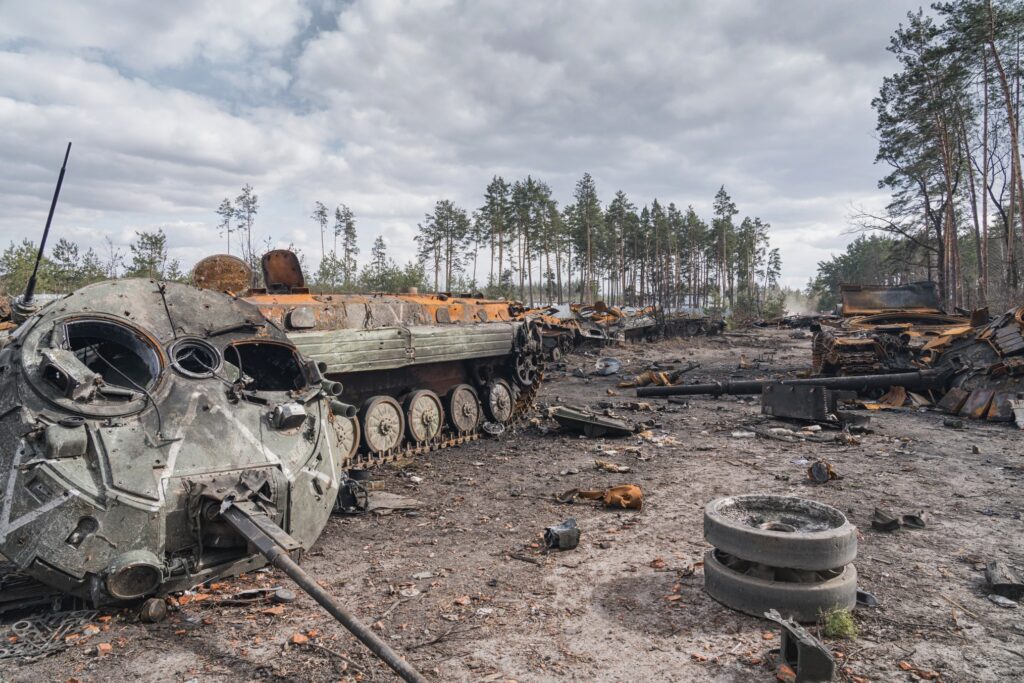
In February 2022, Russia launched a full-scale invasion of Ukraine.
Russia’s main stated reasons were:
- to stop Ukraine from moving closer to NATO and the West
- If Ukraine becomes the member of NATO , the NATO force will posted on Russian Border , which Russia consider not acceptable.
- to increase Russian control and influence over Ukraine
Ukraine and most of the world see the invasion as an attempt by Russia to dominate or take control of Ukraine as an independent country. Russian have been doing continuous attack to capture balance area of 5 Ukraine border states and have manged to occupy 85% of the area and is fighting for remaining 15% land .
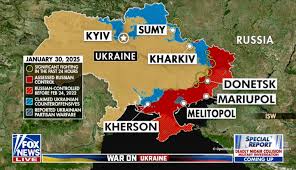
| States of Ukraine ( Russia want to capture ) | Total are in Km2 | Russian captured | |
| Crimia | 27,000 | 100% | |
| Kherson | 28,460 | 99% | |
| Zaporizhia | 27,183 | 79% | |
| Donetsk | 26,517 | 75% | |
| Luhansk | 26,700 | 65% | |
| 135,860 km2 | 116,000 km2 |
Who is trying to stop the Russia – Ukraine War ?
Three major group are trying to stop this war but half-heartedly . United Nation UN , USA & NATO members are trying to stop this war in which over 1.5 Million soldiers have died in this three year of war. On average of 2 person per 100 adults have died in both these countries. The war which Russia started by telling that in 3 week he will defeat Ukraine and meet his goal by capturing 5 border states of Ukraine . But Russian failed badly and this war is now in the third year with no result foresighted .
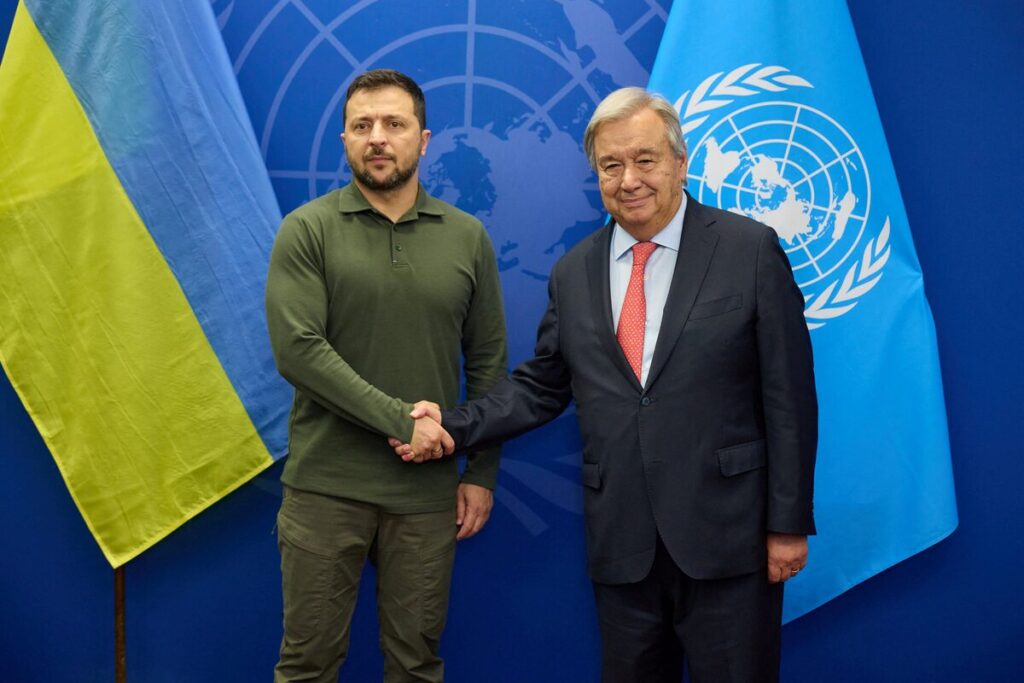
Efforts by United Nations to stop the war .
1. UN calls for peace and an end to the war
The UN repeatedly demands peace and urges both sides to stop fighting:
- The UN leadership publicly calls for an immediate ceasefire and end to hostilities.
- During meetings like the General Assembly, many countries supported calls for peace, and diplomats stress the need for renewed diplomatic efforts.
- Global representatives emphasize that war is not the future and peace must be pursued through dialogue.
These statements are formal political pressure, not military actions, but they signal international concern about continued fighting.
2. UN Resolutions and Diplomatic Positions
The UN General Assembly has passed resolutions about the war, aiming to:
- Reaffirm the UN Charter principle that use of force should be avoided
- Call for peaceful settlement of disputes under international law
- Highlight the humanitarian toll and urge protection of civilians and humanitarian access.
3. Humanitarian Efforts
Even if not directly peace negotiations, the UN:
- Coordinates humanitarian aid to millions affected by war
- Works to support displaced people and protect civilians
- Assists with issues like food security, refugees, and medical needs
These efforts help reduce suffering and can indirectly build conditions more favorable to peace.
4. Facilitating Diplomatic Talks
The UN often supports or welcomes diplomatic efforts led by other countries or groups:
- The UN can provide space and legitimacy for peace talks
- It encourages member states to pursue meaningful negotiations
- UN representatives say they are ready to assist all efforts toward ending the war.
5. Security Council deadlock
Because Russia is a permanent member of the United Nations Security Council with veto power, the UN Security Council cannot pass binding peace enforcement measures or sanctions that Russia opposes. This makes it hard for the UN to take strong direct action to stop the war.
But it cannot force a ceasefire or directly negotiate a peace deal because of political disagreements among major powers — especially Russia’s position on the Security Council with VETO power.
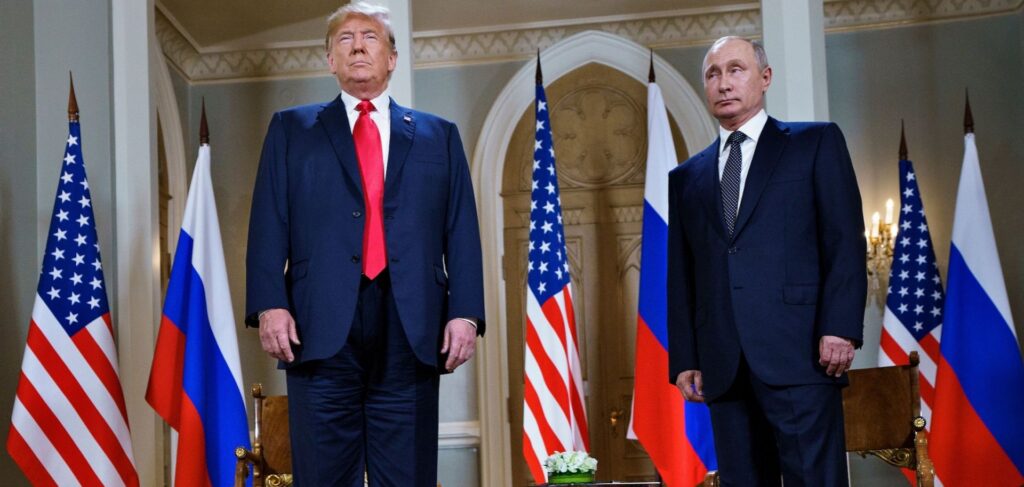
Efforts by USA –
America always behave like a ring leaders . It does not matter to America to stop the war or not till it is happening as per US agenda. Biden and Trump in first terms just did lips service to stop this war and same time they gave arms worth Billions in Dollar to Ukraine to fight Russia . USA always wanted to weaken Russia by continuing this war , which they have manged to do.
1) The U.S. talks about peace, but its actions have multiple motives
U.S. does say it wants an end to the war. American leaders publicly support peace talks and have pushed for ceasefires or negotiations. There have been meetings involving U.S. officials aimed at reducing fighting or finding ways to bring Ukraine and Russia to the table.
2) The U.S. also supports Ukraine militarily and politically
US Continued aid to Ukraine . The U.S. has sent large amounts of:
- military aid (weapons, air defences)
- economic and humanitarian assistance
- This support helps Ukraine defend itself against Russian invasion.
This indicates the U.S. is not just pushing for a quick negotiated peace at any cost—Washington wants Ukraine to be strong enough to negotiate from a position of strength.
3) Opinions in the U.S. itself are mixed
Public and political opinion in the United States is divided:
- Many Americans think the U.S. has a responsibility to help Ukraine and view the conflict as important to U.S. interests.
- Others feel the U.S. should push more toward negotiation or reduce support. Views vary significantly by political party and group.
This division affects how seriously and consistently U.S. leaders pursue peace deals.
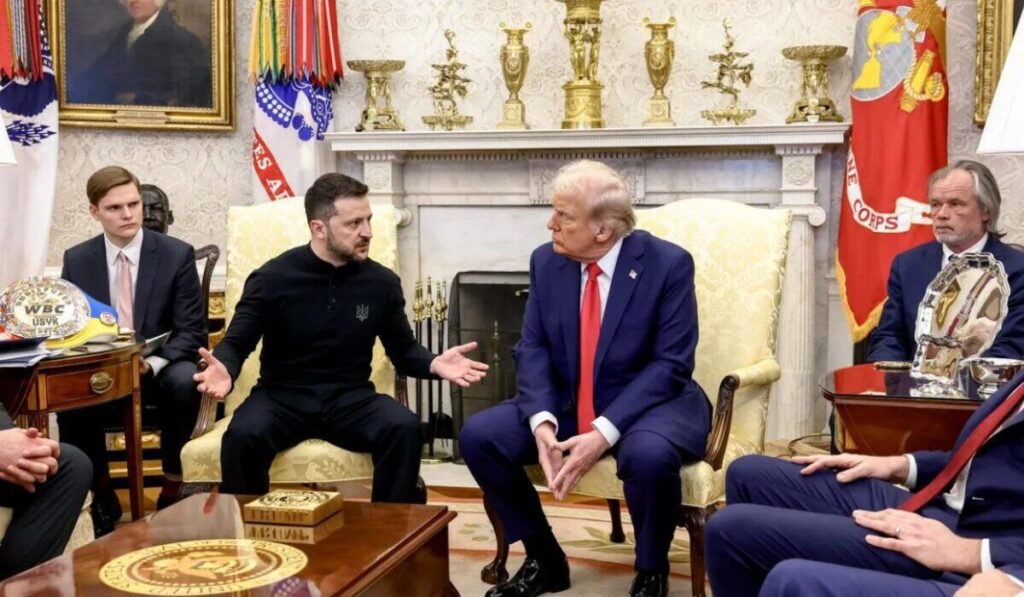
4) U.S. goals are not only peace-oriented
America’s approach includes more than stopping the war:
US Strategic interests:
- Limiting Vladimir Putin’s influence in Europe
- Supporting democratic nations against military aggression
- Maintaining stability among NATO allies and deterrence against wider conflict
These goals mean the U.S. may prioritise a peace that preserves Ukraine’s security and international norms, not just any ceasefire.
Is the U.S. sincere ?
The answer is Yes & No . Donald Trump in the second terms. expresses a real interest in ending the war and has engaged diplomatically with Putin & Zelensky . But its actions also reflect other goals — such as strengthening Ukraine, defending allied interests, and containing Russia — not simply ending the war quickly.
Trump tried his best but later on left it as it is , as NATO and Ukraine are not in line with Trump decision making to handover captured Ukraine land to Russia. As both warring party stop listening to Trump mediation , Trump has lost his interest to stop the war.
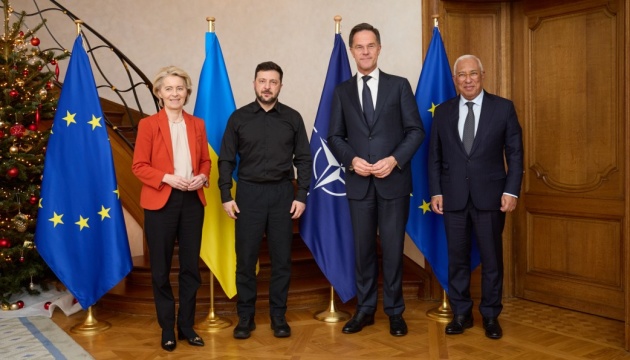
Is NATO doing sincere efforts to stop this war ?
Short answer: No
NATO has 32 member Countries including European countries. NATO has not stopped (ended) the war. But it has helped Ukraine prevent Russia from winning quickly. The war between Ukraine and Russia is still ongoing. NATO is not a direct combatant in the war and has not imposed a ceasefire or peace deal. NATO is technically helping the war to linger just to weaken Russia.
What NATO has done so for –
NATO countries (as individual members, coordinated through NATO structures) have:
- supplied weapons and ammunition
- provided training to Ukrainian forces
- shared intelligence and surveillance support
- helped with logistics and planning
This support has helped Ukraine to:
- stop major Russian advances
- defend key cities and front lines
- continue fighting as an organized state
So in practice, NATO has helped to prevent Ukraine from losing, not for ending the war. NATO cannot compel either government to sign a settlement. In reality NATO is not interested for a ceasefire by Ukraine and handover the Russian occupied area of Ukraine to Russia.
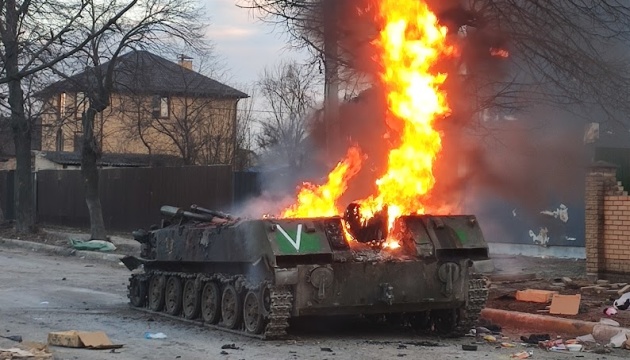
Can Russian – Ukraine war come to end ?
There is no single switch that can stop the war. In practice, a war like the one between Ukraine and Russia can only be stopped through a political settlement backed by military and international pressure and participation. Below are the realistic paths (not slogans) that could end the war.
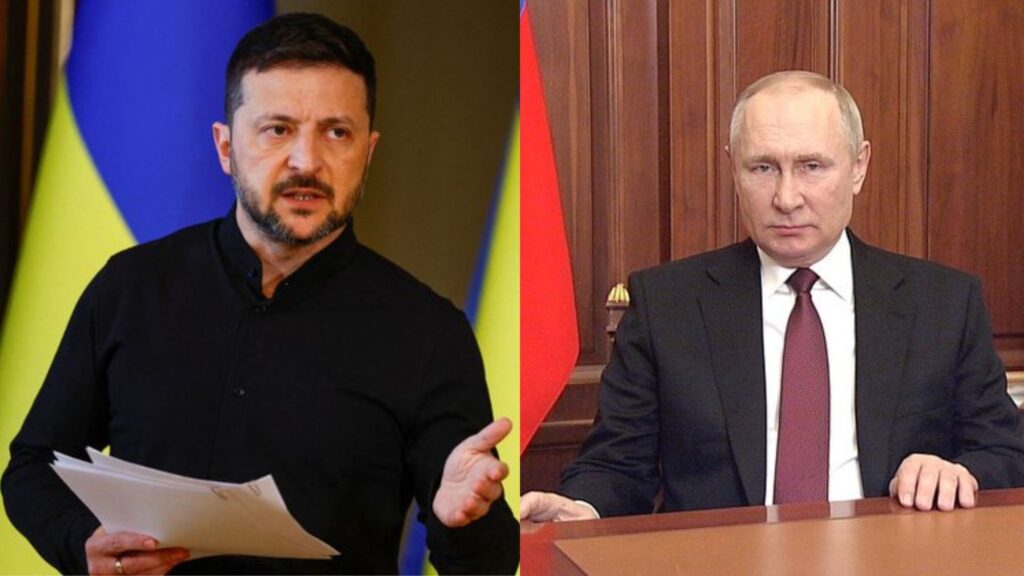
1. A negotiated ceasefire — agreed by the two presidents
Any real stop requires direct political decisions by
- Volodymyr Zelenskyy
- Vladimir Putin
A ceasefire need to includes
- stopping major attacks,
- freezing forces in place,
- rules for drones, artillery, and missiles,
- international monitoring.
Without consent from both leaders, no outside actor can end the war.
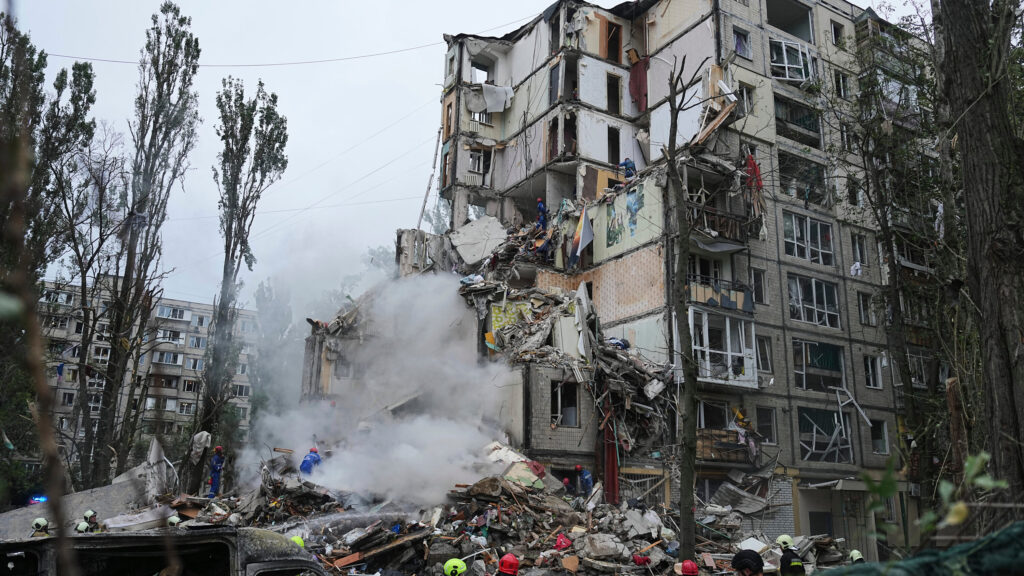
2. Security guarantees for Ukraine
One of the core problems is that Ukraine wants protection from a future invasion.
In any deal, Ukraine would almost certainly demand:
- long-term military support,
- binding defense or security commitments,
- limits on Russian military presence near its borders.
Without strong security guarantees, Ukraine is scared to accept a ceasefire.
3. A territorial settlement (the hardest issue)
The war is fundamentally about occupied territory by Russia.
To stop the war, there must be some political formula for:
- areas occupied by Russian forces,
- borders after the ceasefire,
- future status of disputed regions.
This is the single biggest obstacle. Neither side currently accepts the other’s position.
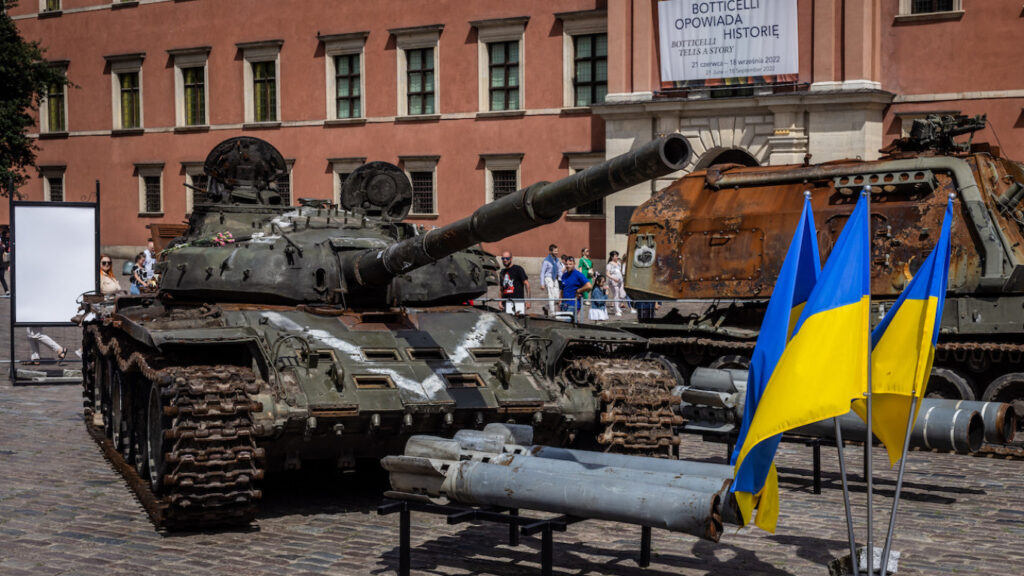
4. Strong international mediation and monitoring
Large-scale wars normally require neutral or semi-neutral intermediaries and monitors, such as:
- United Nations
- Organization for Security and Co-operation in Europe
Their roles would be:
- monitoring ceasefire lines,
- verifying troop withdrawals,
- investigating violations.
A ceasefire without monitoring usually collapses. Expecting a single “peace agreement” to solve everything at once is not realistic.
The bottom line
This war can only be stopped if Russia decides not to change borders by force which Russia will not agree. Right now, the main reason the war continues is simple that both Moscow and Kyiv still believe they can improve their position on the war front by fighting longer. When that belief changes on one or both sides, negotiations become possible to end the War.
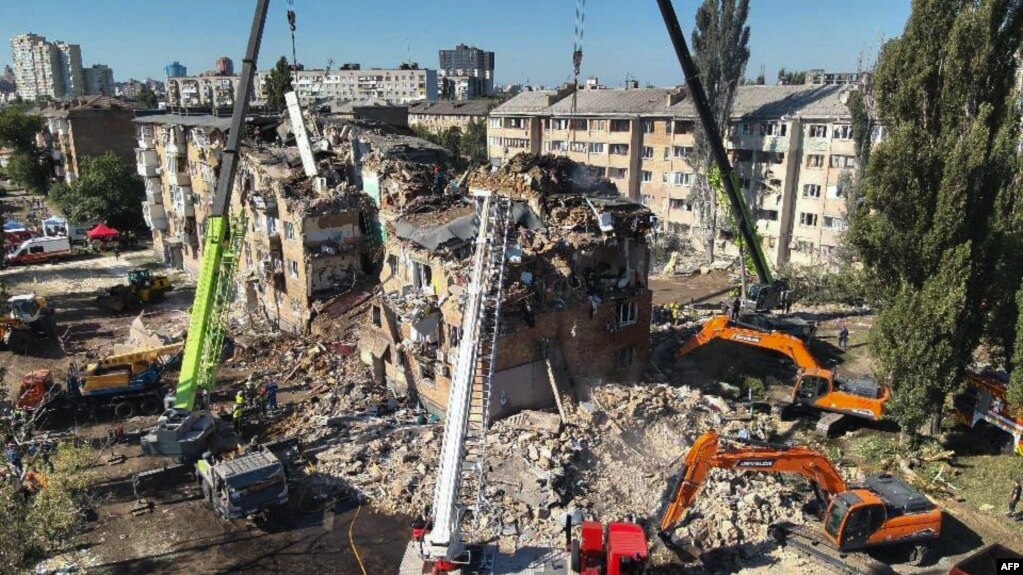
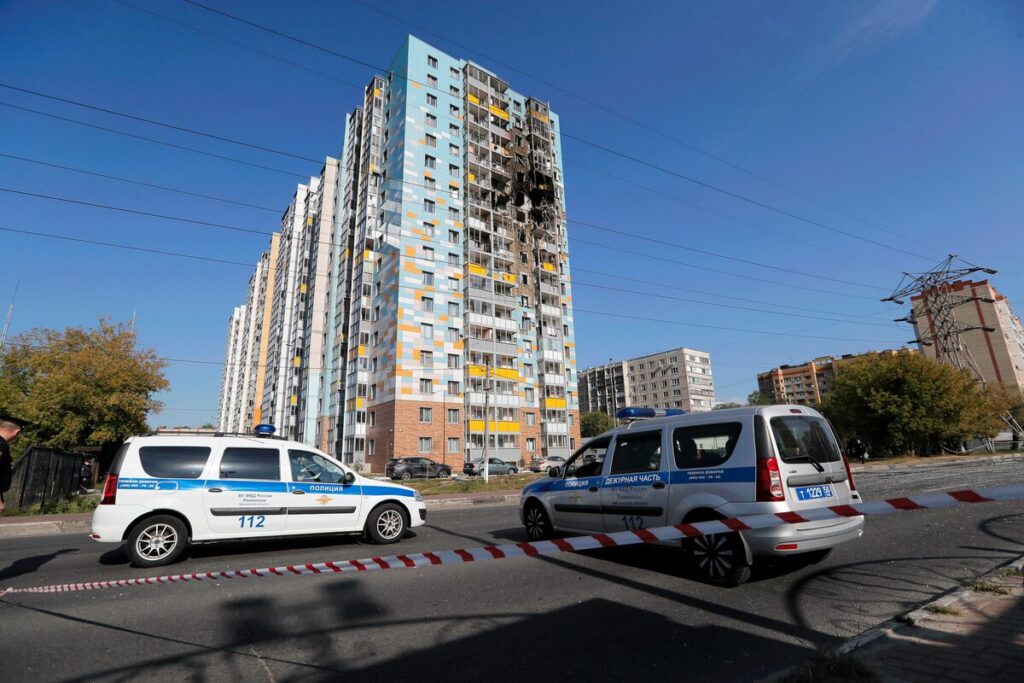
Russia occupy more than 20% land of Ukraine as on now. The extent of war is that Ukraine has attacked by drones Russian target deep inside Moscow which is 500Km away , and Russia is attacking daily Ukraine capital Kyiv and beyond which is 350km to 1,000km from Russian Border .
I doubt this war will ever stop in near future , what you say ?
